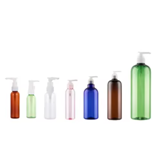
As a lotion bottle manufacturer with over 15 years of experience, I've seen countless brands struggle with packaging quality issues that cost them time, money, and customer trust. Poor quality bottles can leak, crack, or affect product stability.
A high-quality lotion bottle must meet specific criteria: food-grade HDPE/PET/PP materials, precise wall thickness (1.0-1.5mm), excellent clarity and gloss, smooth surfaces, consistent weight distribution, and proper sealing mechanisms. These factors ensure product safety and stability.
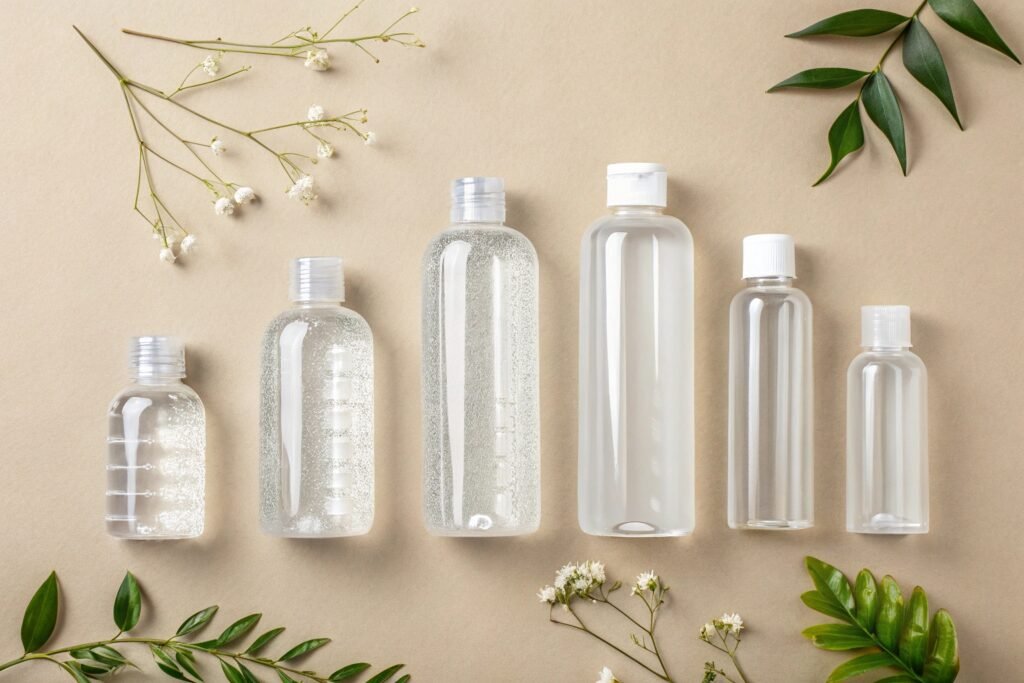
Let me share my expertise on what truly matters when it comes to lotion bottle quality, based on thousands of successful productions for leading cosmetic brands worldwide.
Which Materials Deliver the Best Performance for Lotion Bottles?
The wrong material choice can lead to product contamination, compromised stability, or packaging failure. I've seen countless brands face recalls due to poor material selection.
For lotion bottles, HDPE and PET are the top choices. HDPE offers excellent chemical resistance and durability, while PET provides superior clarity and recyclability. Both materials must be virgin-grade and FDA-approved for cosmetic use.
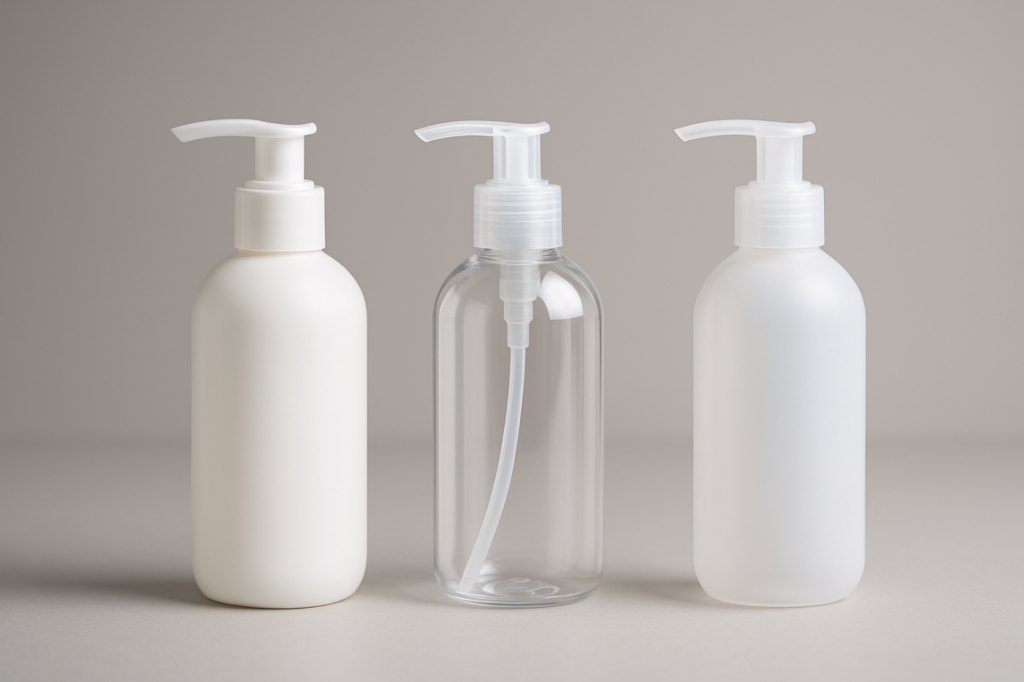
Let's break down the key characteristics of each material option:
Material Properties Comparison
| Material | Durability | Chemical Resistance | Clarity | Cost | Best For |
|---|---|---|---|---|---|
| HDPE | High | Excellent | Opaque | Moderate | Thick lotions |
| PET | Moderate | Good | Excellent | Higher | Light lotions |
| PP | Good | Very Good | Semi-clear | Lower | Basic formulas |
Beyond basic materials, consideration must be given to:
Surface Treatment Options
- UV protection coating
- Anti-static treatment
- Frosted finish
- Metallization
These treatments can significantly impact both functionality and aesthetic appeal. From my experience working with major cosmetic brands, I've found that combining the right material with appropriate surface treatments can increase product shelf life by up to 30%.
How Can You Verify Lotion Bottle Quality?
Every week, I receive inquiries from brands who've experienced quality issues with their previous suppliers. The cost of poor quality can be devastating.
Quality verification requires a comprehensive testing protocol: wall thickness measurement, drop testing (from 1.5m), leak testing under pressure, UV stability testing, and compatibility testing with the intended product. Documentation should include material certificates and test reports.
Essential Quality Tests
-
Physical Testing
- Wall thickness uniformity
- Weight consistency
- Dimension accuracy
- Drop resistance
- Compression strength
-
Chemical Testing
- Migration testing
- Chemical resistance
- UV stability
- Environmental stress crack resistance
Each test provides crucial data about bottle performance. For instance, our compression strength testing simulates real-world shipping conditions, applying up to 45kg of top-load pressure - far exceeding industry standards.
What Certifications Matter for Lotion Bottle Manufacturing?
In my discussions with global cosmetic brands, certification confusion often leads to costly delays and compliance issues.
Essential certifications include ISO 9001 for quality management, ISO 15593 for packaging safety, FDA compliance documentation, and material-specific certifications like food-grade approval. Environmental certifications like recyclability verification are increasingly important.
Our facility maintains all critical certifications and regularly undergoes third-party audits. This commitment has helped us serve leading brands in over 30 countries.
The quality of your lotion bottle directly impacts your brand's success. Remember, investing in quality at the manufacturing stage prevents costly issues down the line.
Ready to explore high-quality lotion bottle options for your brand? Contact me at polybottletech@gmail.com to discuss your specific requirements and receive detailed material recommendations.