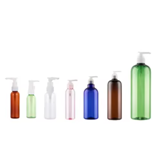
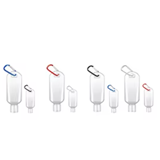
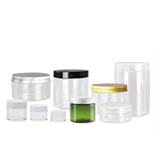
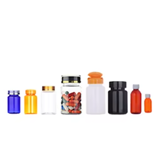
As a packaging manufacturer with over 15 years of experience, I've seen countless buyers struggle to understand PET plastic. The confusion around safety, recyclability, and applications can lead to costly mistakes in packaging decisions.
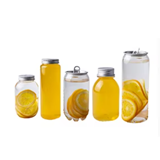
PET (Polyethylene Terephthalate) is a strong, lightweight, and recyclable plastic commonly used in beverage bottles, food containers, and cosmetic packaging. It's FDA-approved for food contact, offers excellent clarity and barrier properties, and is the most recycled plastic globally.

Every week, I help packaging buyers navigate the complexities of PET materials. Let me share what I've learned from working with companies across North America, Asia, and Europe to help you make informed decisions about your packaging needs.
Is PET Plastic Safe for Food and Beverages?
Last month, a beverage company owner called me with concerns about PET safety after reading misleading information online. This is a common worry I hear from many buyers.
PET plastic is completely safe for food and beverage packaging. It's FDA-approved, doesn't contain BPA or phthalates, and doesn't leach harmful substances. Studies have consistently shown it maintains integrity even under various temperature conditions.

Understanding PET Safety Standards
-
FDA Compliance
- Direct food contact approved
- Meets all federal safety regulations
- Regular testing requirements
-
Chemical Stability Property Performance Heat Resistance Up to 70°C Chemical Resistance Excellent Migration Levels Negligible -
Third-Party Certifications
- ISO 9001:2015
- FSSC 22000
- GMP Certification
Is PET Plastic Truly Recyclable?
In my conversations with environmental officers at major brands, recyclability is often their top concern. They want to ensure their packaging aligns with sustainability goals.
PET is one of the most recyclable plastics available, with a global recycling rate of over 55%. It can be recycled multiple times without significant quality loss and requires 75% less energy to produce from recycled material compared to virgin PET.

The PET Recycling Process
-
Collection and Sorting
- Automated sorting systems
- Color separation
- Contaminant removal
-
Processing Steps Stage Description Output Grinding Size reduction PET flakes Washing Contaminant removal Clean flakes Melting Reformation Recycled PET pellets -
Quality Control
- Intrinsic viscosity testing
- Color measurement
- Contamination checks
Sustainable Applications
- Bottle-to-bottle recycling
- Fiber production
- Food-grade packaging
- Industrial strapping
Our facility implements a closed-loop recycling system, and I've seen firsthand how PET can be effectively recycled into new high-quality products. We regularly work with brands to incorporate recycled PET into their packaging solutions while maintaining product integrity.
Conclusion
PET plastic offers a unique combination of safety, recyclability, and versatility that makes it ideal for modern packaging needs. Its proven track record in food safety and environmental sustainability makes it a reliable choice for conscious businesses.
Need help selecting the right PET packaging for your products? Contact me at polybottletech@gmail.com to discuss your specific requirements.