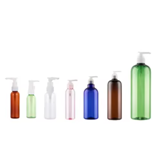
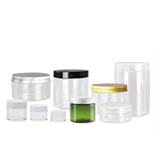
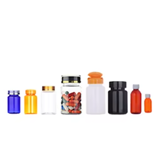
As a manufacturer of food-grade containers, I've noticed increasing concerns about storing peanut butter in plastic. The combination of oils, temperature changes, and long shelf life makes many wonder if their favorite spread is truly safe in conventional packaging.
The short answer is that food-grade plastic containers (like PET and HDPE) are generally safe for storing peanut butter when properly manufactured and certified. However, factors like heat exposure, container quality, and storage duration can impact safety and taste.

Let me share what I've learned from over 15 years in the packaging industry about this common concern. We'll explore the science behind plastic storage, potential risks, and how to make informed choices for your peanut butter storage needs.
What Makes Some Plastic Containers Better Than Others for Peanut Butter?
Working with various food manufacturers, I've seen firsthand how plastic quality can make or break product safety. The wrong container choice can lead to contamination or altered taste.
For peanut butter storage, high-density polyethylene (HDPE) and polyethylene terephthalate (PET) are the safest options. These materials are FDA-approved, resist oil penetration, and maintain structural integrity even with frequent temperature changes.

Let's break down the key factors that make certain plastics better for peanut butter storage:
Material Properties
| Property | Why It Matters |
|---|---|
| Oil Resistance | Prevents container degradation |
| Temperature Stability | Maintains integrity during shipping/storage |
| Chemical Inertness | Prevents leaching into food |
| UV Protection | Protects content freshness |
Safety Certifications
- FDA Approval
- BPA-Free Certification
- Food Contact Safety Testing
- Quality Management System Certification
Through our manufacturing process, we ensure each container meets these stringent requirements before they're approved for food contact use.
Does Heat Affect Plastic Peanut Butter Containers?
This question comes up frequently in my discussions with food manufacturers. Heat interaction with plastic containers is a crucial consideration for product safety.
Heat can potentially cause plastic containers to degrade faster and increase the risk of chemical migration. It's recommended to store peanut butter in plastic containers below 85°F (29°C) and avoid direct sunlight or heat sources.

Understanding heat effects on plastic containers requires examining several factors:
Temperature Impact Analysis
Short-term Effects:
- Structural integrity changes
- Potential shape deformation
- Increased chemical mobility
- Seal compromise risks
Long-term Effects:
- Material degradation acceleration
- Color changes
- Microcrack development
- Reduced shelf life
From my experience working with various climate zones, I've noticed that proper temperature control during storage and transportation is crucial for maintaining container integrity.
What Are the Best Alternative Storage Options?
Throughout my career, I've seen various storage solutions emerge as alternatives to traditional plastic containers.
Glass containers and stainless steel are excellent alternatives to plastic for peanut butter storage. They're inert, durable, and don't interact with oils. However, they're typically more expensive and heavier than plastic options.

Let's explore the pros and cons of different storage materials:
Material Comparison
| Material | Advantages | Disadvantages |
|---|---|---|
| Glass | No chemical leaching, reusable | Heavy, breakable |
| Stainless Steel | Durable, temperature stable | Expensive, can't see contents |
| Ceramic | Attractive, good insulation | Breakable, often porous |
| Food-Grade Plastic | Lightweight, cost-effective | May degrade over time |
Remember, while exploring alternatives, consider factors like:
- Usage patterns
- Storage environment
- Cost considerations
- Practical limitations
Your choice should align with both safety requirements and practical needs.
The food packaging industry continues to evolve with new materials and technologies. At PBTech, we're committed to staying ahead of these developments to provide the safest storage solutions possible.
In conclusion, while plastic containers can be safe for peanut butter storage when properly manufactured and used, understanding the specific requirements and alternatives helps make informed decisions. Always choose certified food-grade containers and follow proper storage guidelines.
Need more specific information about food-grade containers? Feel free to reach out to me at polybottletech@gmail.com for professional guidance on your packaging needs.